Endangered & Overlooked
Undergraduate Capstone Project

2024

Creative Direction, Research, Art, Design

You've heard of the lions, tigers, and bears, but what about the others?

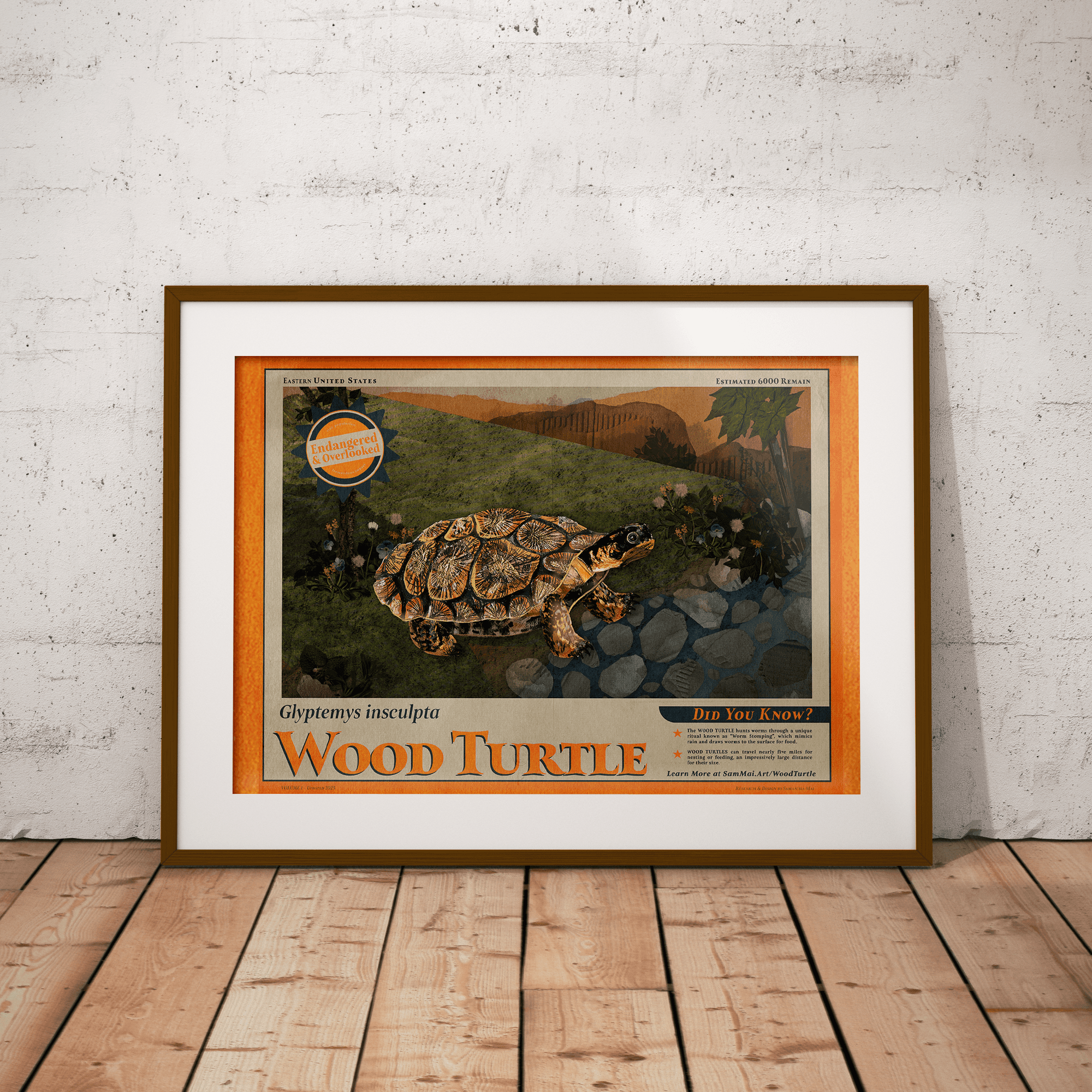
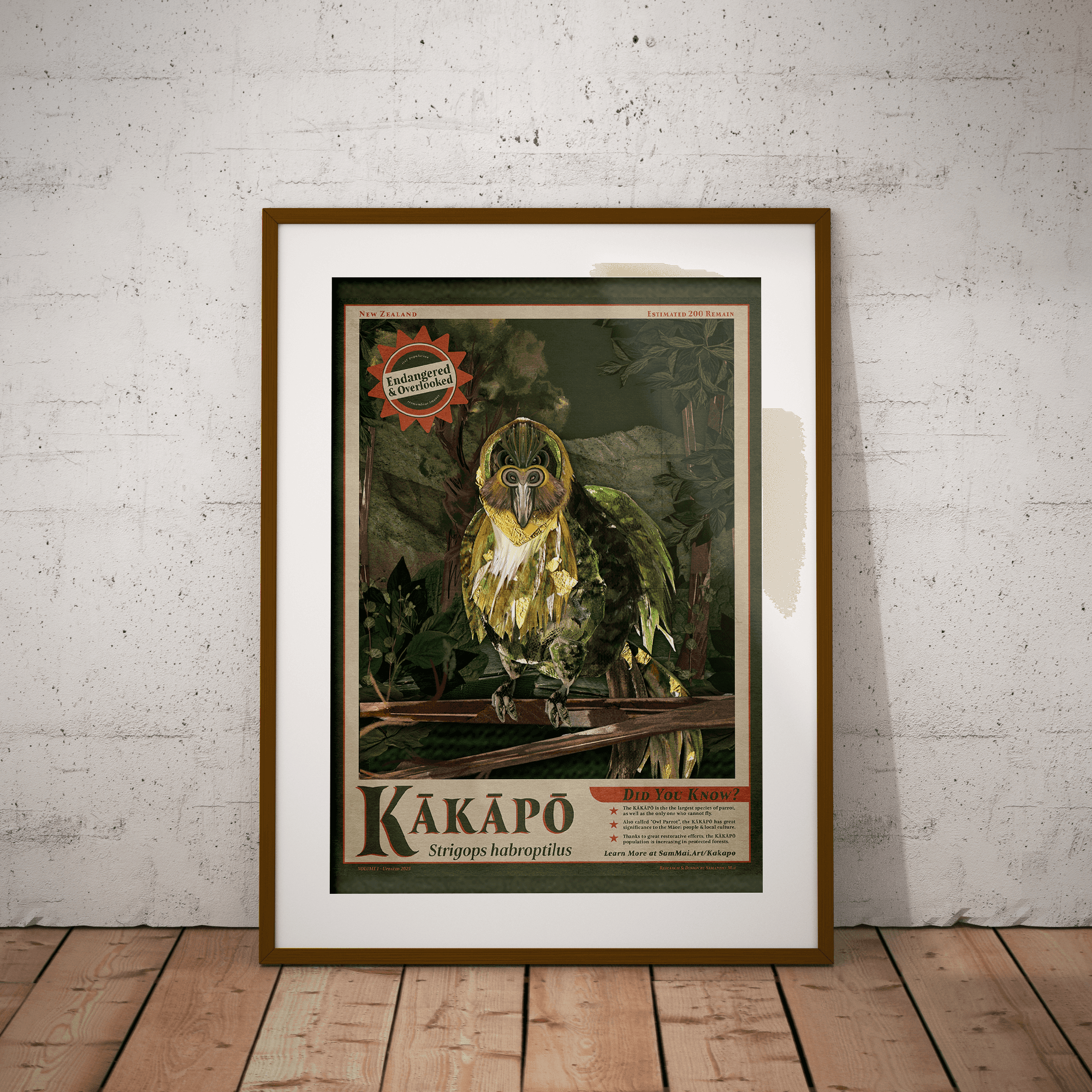
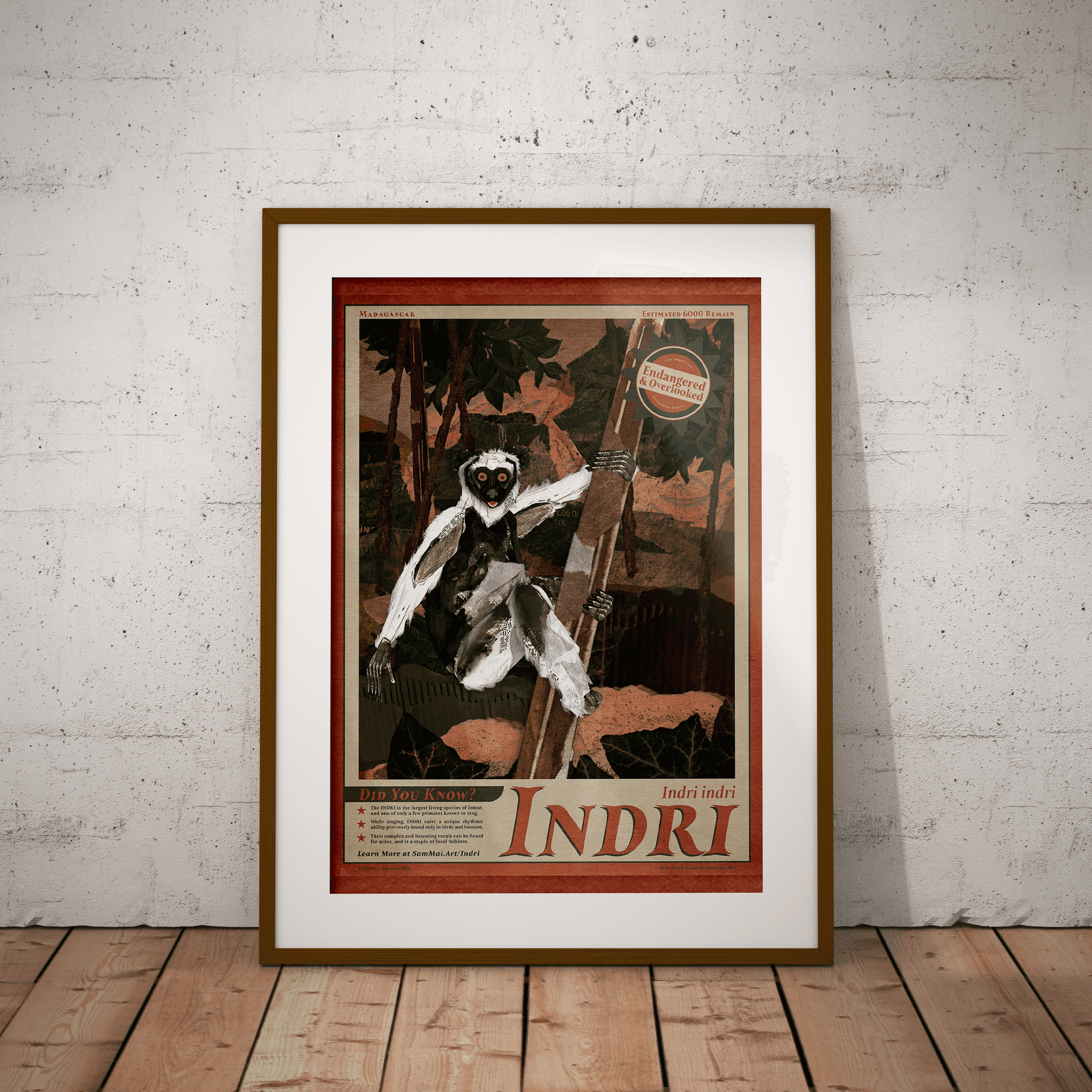
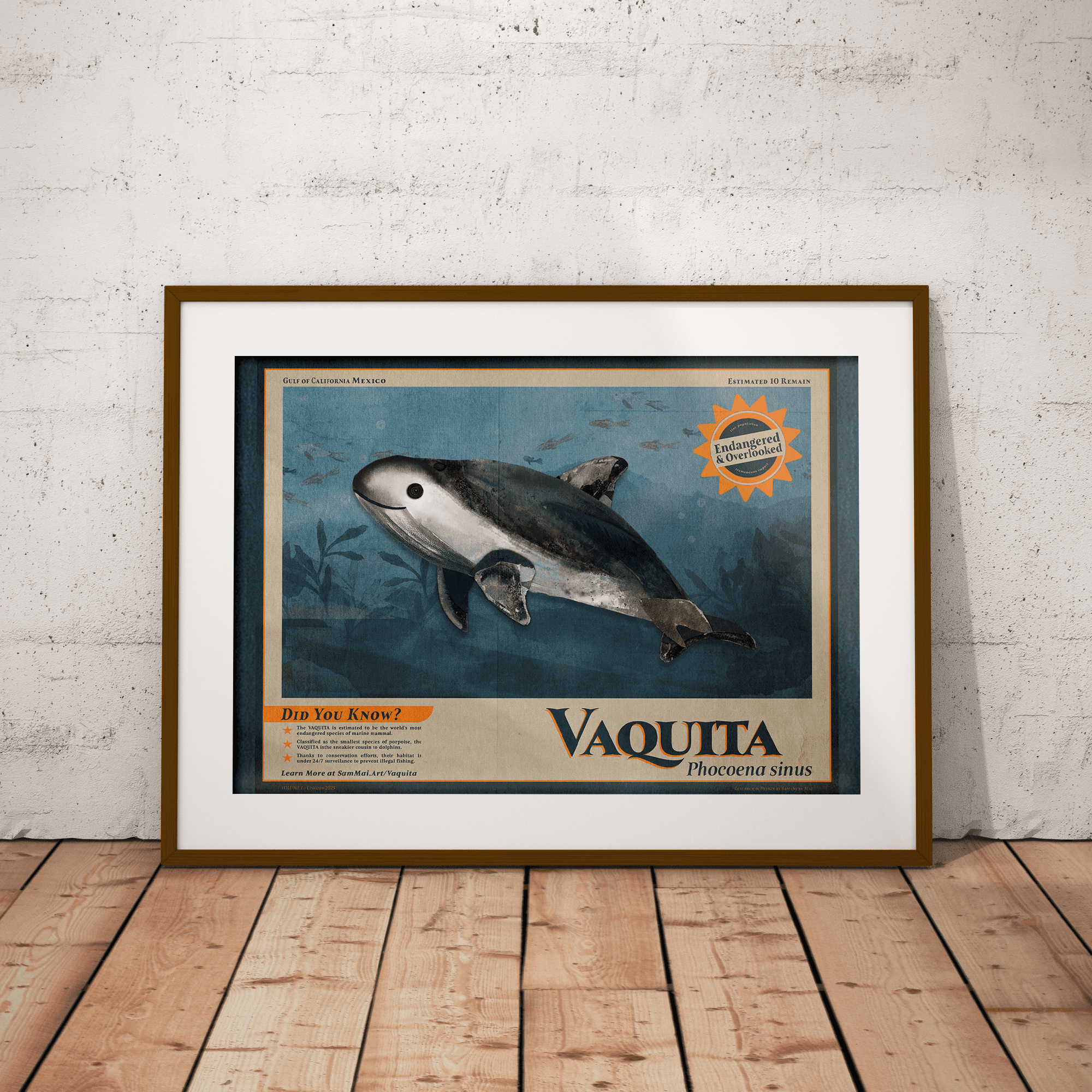
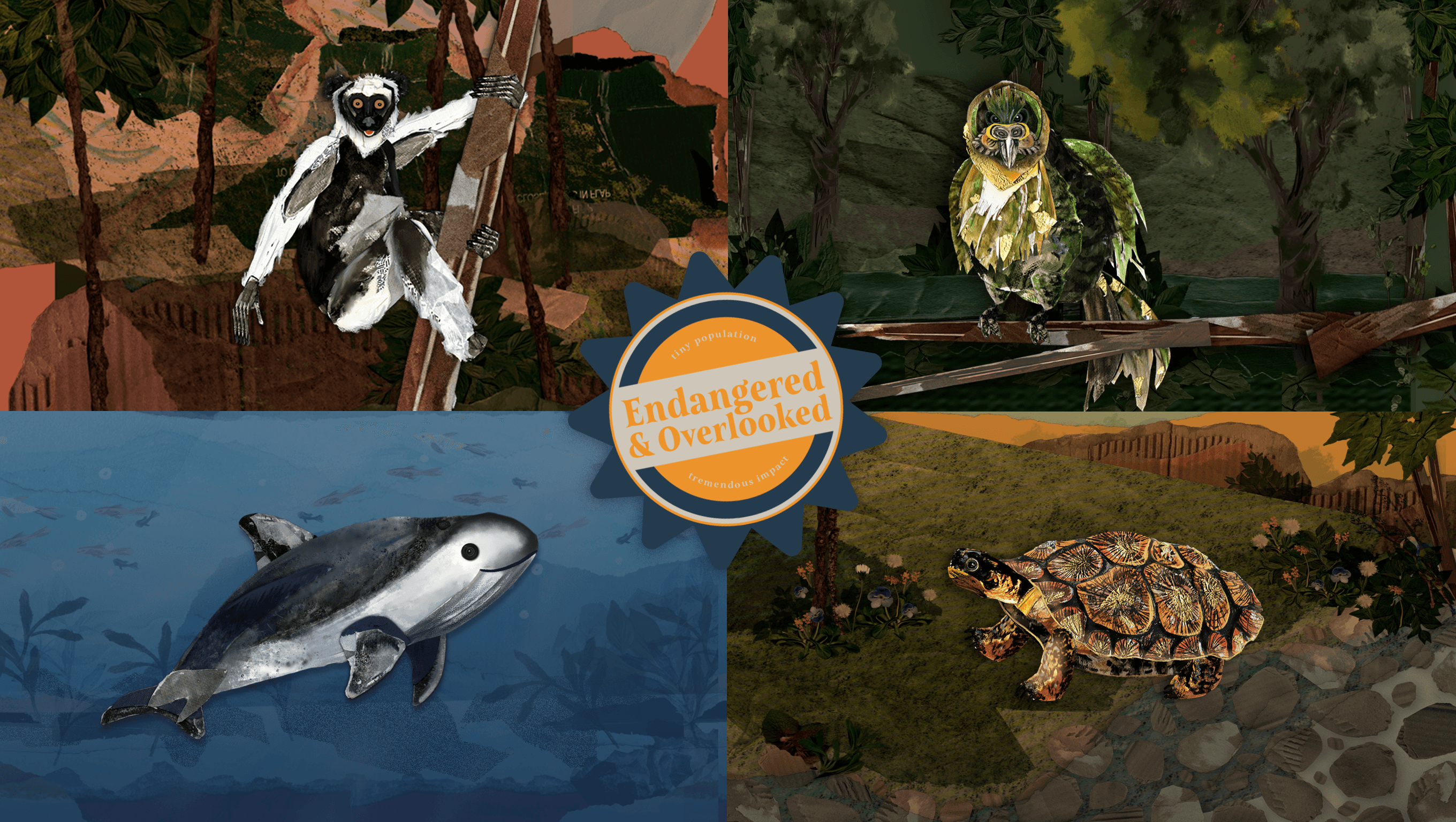
Endangered & Overlooked was created to shine a light on 4 critically threatened species that you may not have heard of.

I've noticed that when discussing conservation, we often circle back to the same charismatic megafauna- ( large animals that get recognition due to their charm, for example, pandas or elephants). However, there are plenty of species that provide equal, if not larger roles in their ecosystem, and also face critical population decline. It is difficult for these species to get the help they deserve if the majority of people do not know they need it, or that they even exist in the first place.

This project's goal was to take an innovative approach to this discussion, raising awareness of these species and sharing the challenges they face, as well as what makes them special, while pointing audiences towards resources so they can learn more about the species and topic in general, as well as donate or get involved if possible.

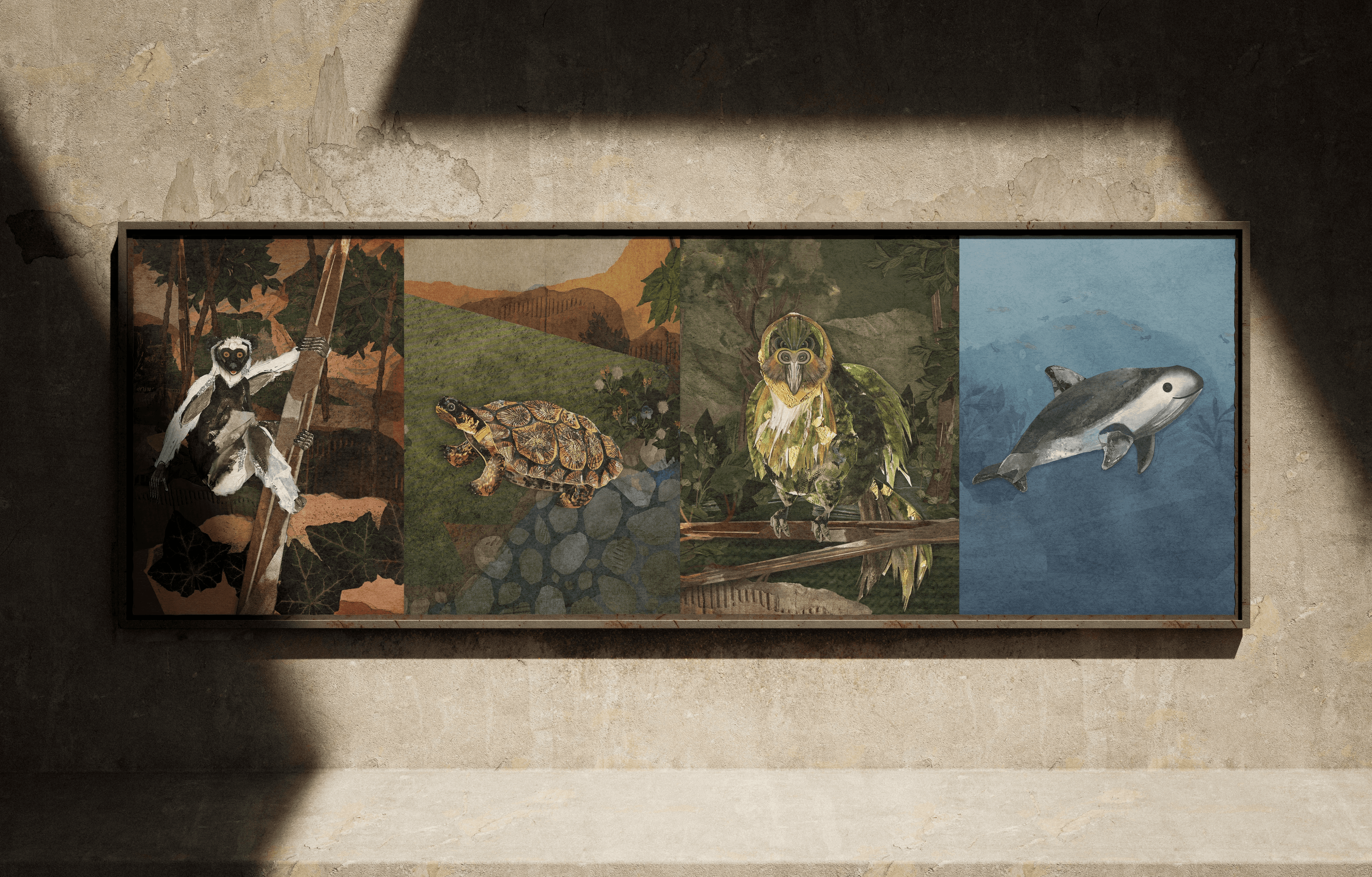
The first edition of this project included four featured species, each of whom was extensively researched and illustrated in a sustainable-mixed media style that is striking, yet charming.

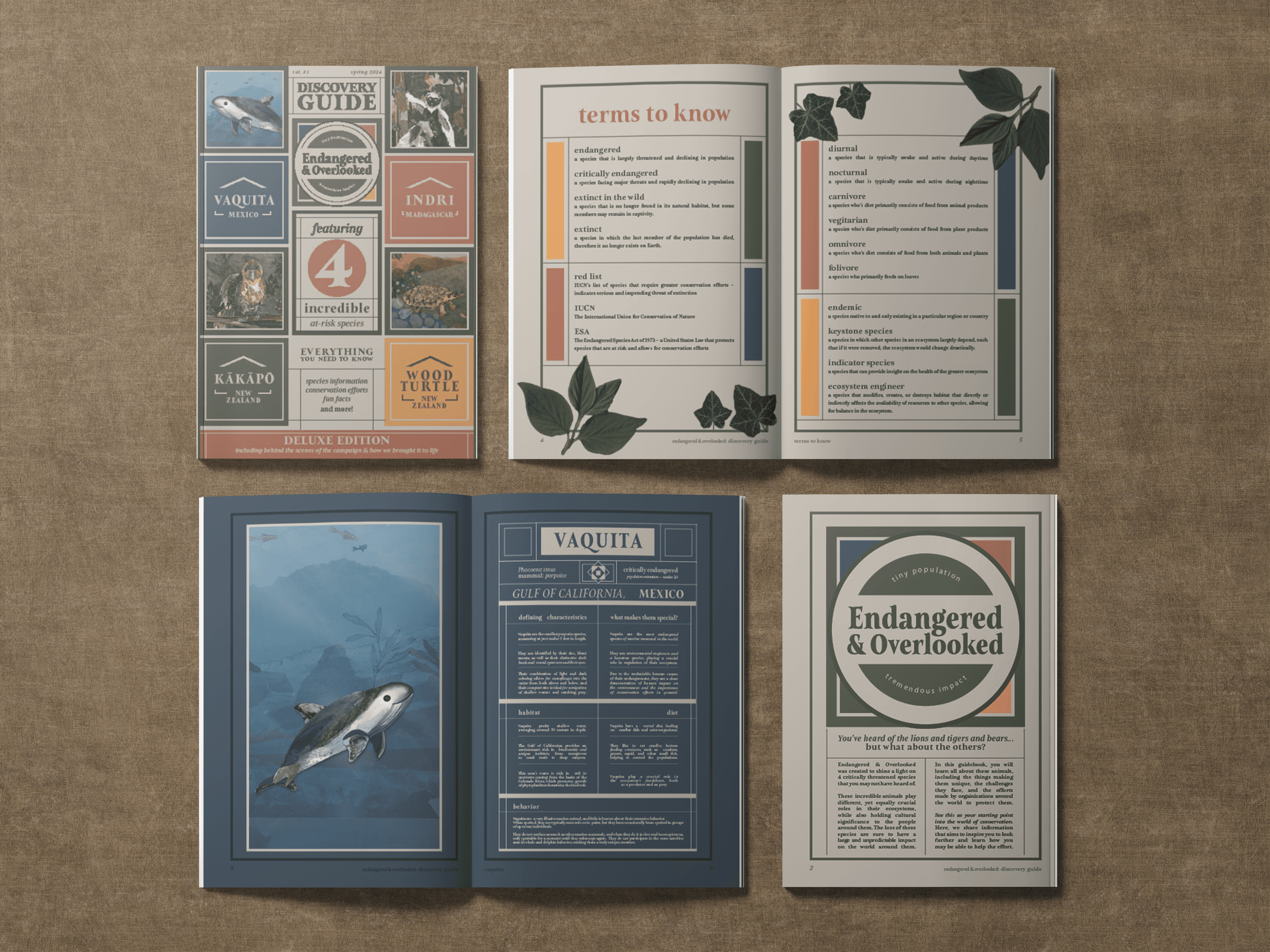
From these assets, so far I have created: a brand identity for the campaign, a booklet compiling all of the research and resources, one poster for each species featuring the illustration and a few fun facts, and an instagram account to put the campaign into action.
Endangered & Overlooked earned an American Graphic Design Award, placing top 10% out of over 8,000 submissions.

2024 Design Annual Showcase

Graphic Design USA (GDUSA)

Endangered & Overlooked earned an American Graphic Design Award, placing top 10% out of over 8,000 submissions.

2024 Design Annual Showcase

Graphic Design USA (GDUSA)

Conceptualization

When selecting species, I wanted to find animals that truly embodied the idea of endangered and overlooked. For that reason, I developed criteria for selection:

A. is not a charismatic megafauna

B. is a species that is critically endangered and in need of immediate action to avoid extinction

C. is a keystone species, or close to it, (i.e. a species that's impact is so massive its disapearance would cause great distress to the ecosystem)

D. is a species that has some sort of interesting & unique feature or trait.


When selecting species, I wanted to find animals that truly embodied the idea of endangered and overlooked. For that reason, I developed criteria for selection:

A. is not a charismatic megafauna

B. is a species that is critically endangered and in need of immediate action to avoid extinction

C. is a keystone species, or close to it, (i.e. a species that's impact is so massive its disapearance would cause great distress to the ecosystem)

D. is a species that has some sort of interesting & unique feature or trait.


The species I selected are the Wood Turtle of the Eastern United States, the Kakapo of New Zealand, the Vaquita of the Gulf of California, and the Indri of Madagascar. Not only did I hit my criteria, but I felt that I covered a wide span of locations, as well as highlighted different types of species, an amphibian, bird, marine mammal, and primate. This allows me to appeal to a broad horizon of taste and avoid boxing myself into only doing certain species in the future.

Following the greater theme of sustainability, I used recycled materials to create mixed media collages of each animal and their habitat, which were then scanned and digitally assembled into the scenes you see.


The species I selected are the Wood Turtle of the Eastern United States, the Kakapo of New Zealand, the Vaquita of the Gulf of California, and the Indri of Madagascar. Not only did I hit my criteria, but I felt that I covered a wide span of locations, as well as highlighted different types of species, an amphibian, bird, marine mammal, and primate. This allows me to appeal to a broad horizon of taste and avoid boxing myself into only doing certain species in the future.

Following the greater theme of sustainability, I used recycled materials to create mixed media collages of each animal and their habitat, which were then scanned and digitally assembled into the scenes you see.

Process

Thematically, I was inspired by the vintage posters, booklets, and other materials used in America's National Parks, particularly those by Ranger Doug. His prints were some of my earliest exposure for art being used commercially in that way, and seeing them over the years certainly had a hand in my decision to pursue design. It only felt right to pay homage to that in my capstone.

Thematically, I was inspired by the vintage posters, booklets, and other materials used in America's National Parks, particularly those by Ranger Doug. His prints were some of my earliest exposure for art being used commercially in that way, and seeing them over the years certainly had a hand in my decision to pursue design. It only felt right to pay homage to that in my capstone.

I originally intended to create digital, vector illustrations for this project, but quickly became dissatisfied with their lack of character. I briefly considered just traditionally hand painting each scene, but I specifically wanted movable pieces so I could leave the door open for future animations and immersive approaches.

Then, I realized, what if I combined the two?

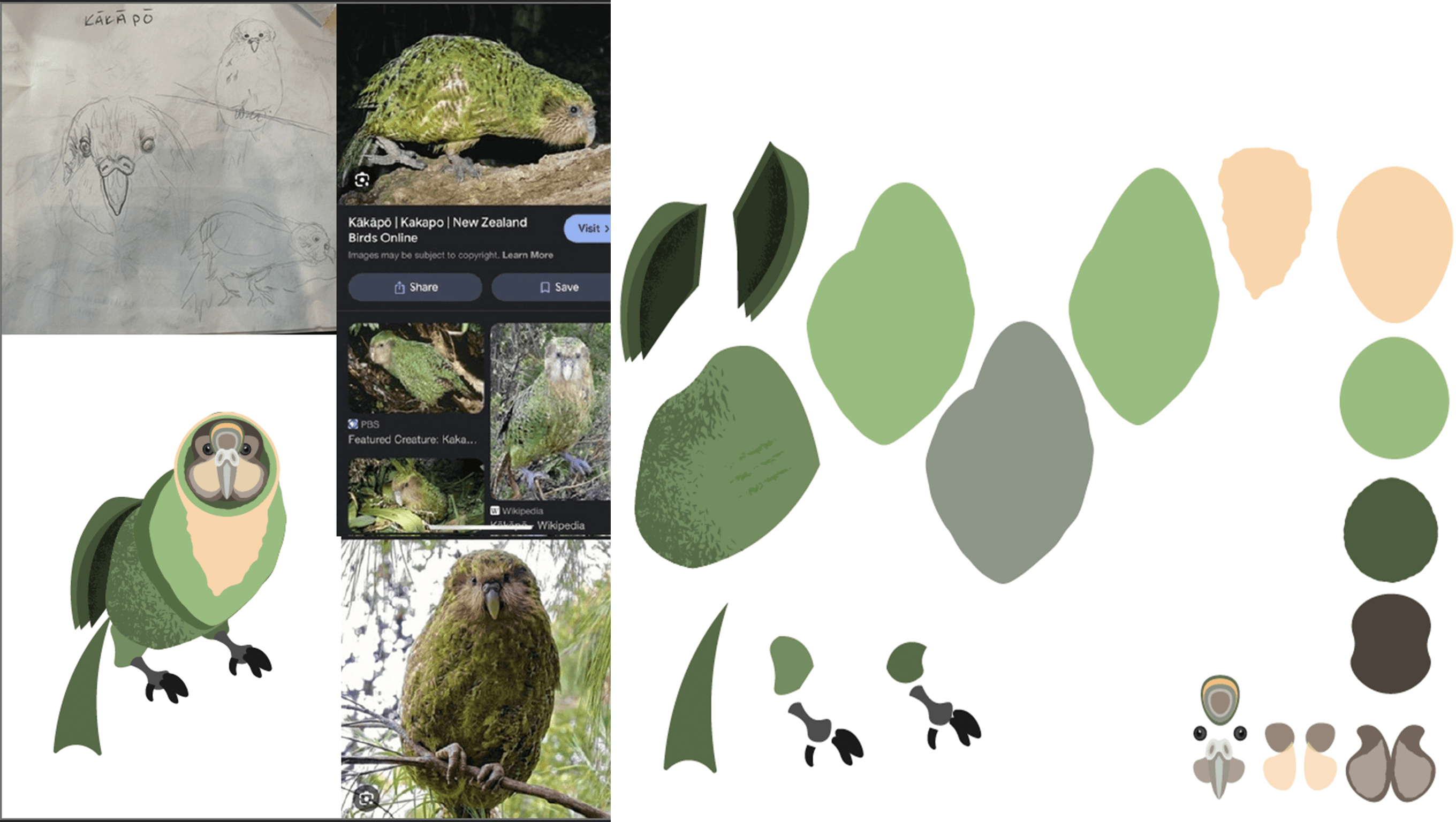
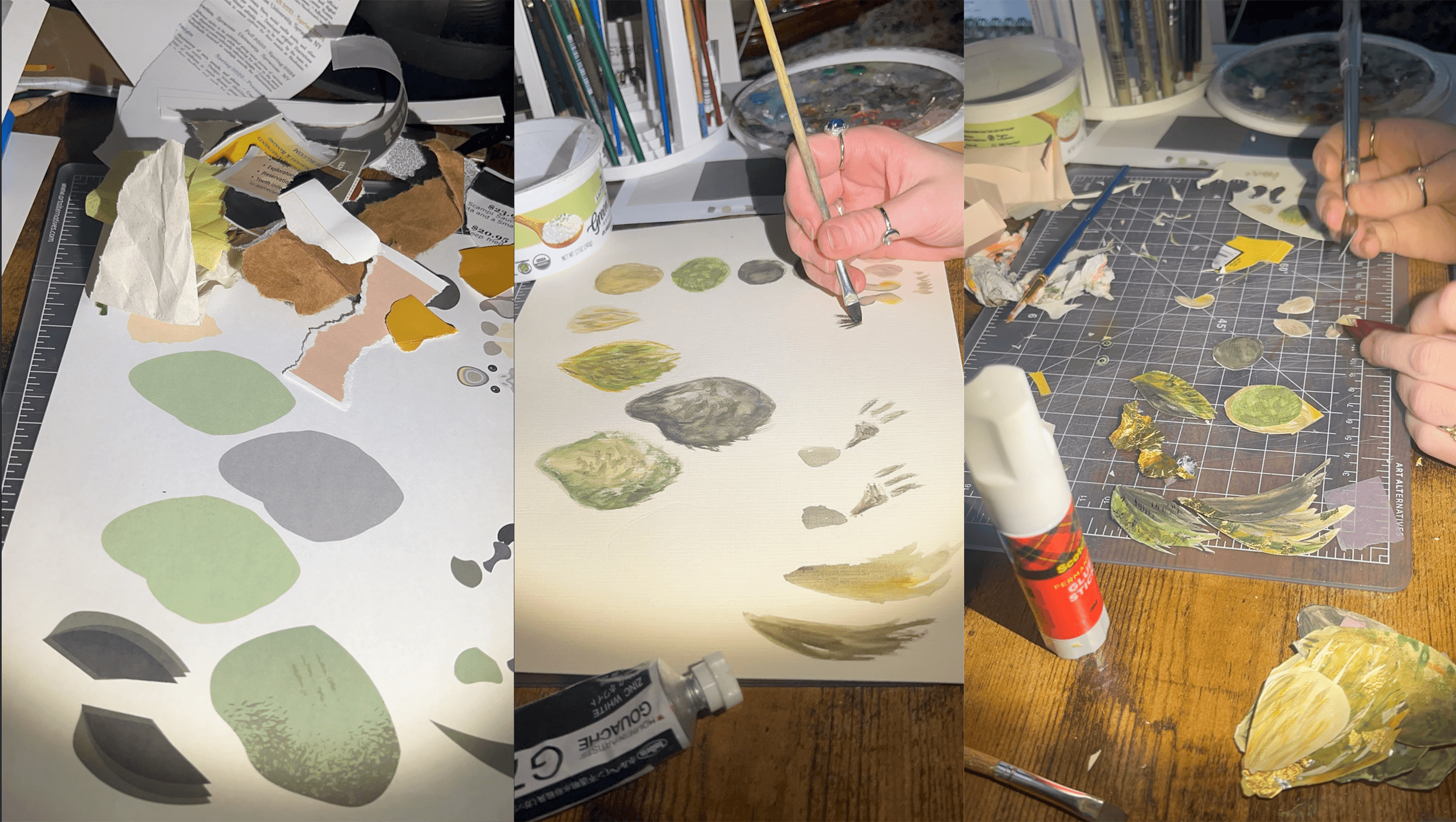
I broke down the vector illustration into pieces, printed it out, and used if for reference. I then used a combination of hand painted elements, scrap paper, trash, and natural materials to physically build each piece.

I originally intended to create digital, vector illustrations for this project, but quickly became dissatisfied with their lack of character. I briefly considered just traditionally hand painting each scene, but I specifically wanted movable pieces so I could leave the door open for future animations and immersive approaches.

Then, I realized, what if I combined the two?

I broke down the vector illustration into pieces, printed it out, and used if for reference. I then used a combination of hand painted elements, scrap paper, trash, and natural materials to physically build each piece.

Opaque Framer Template by Aaron Rolston

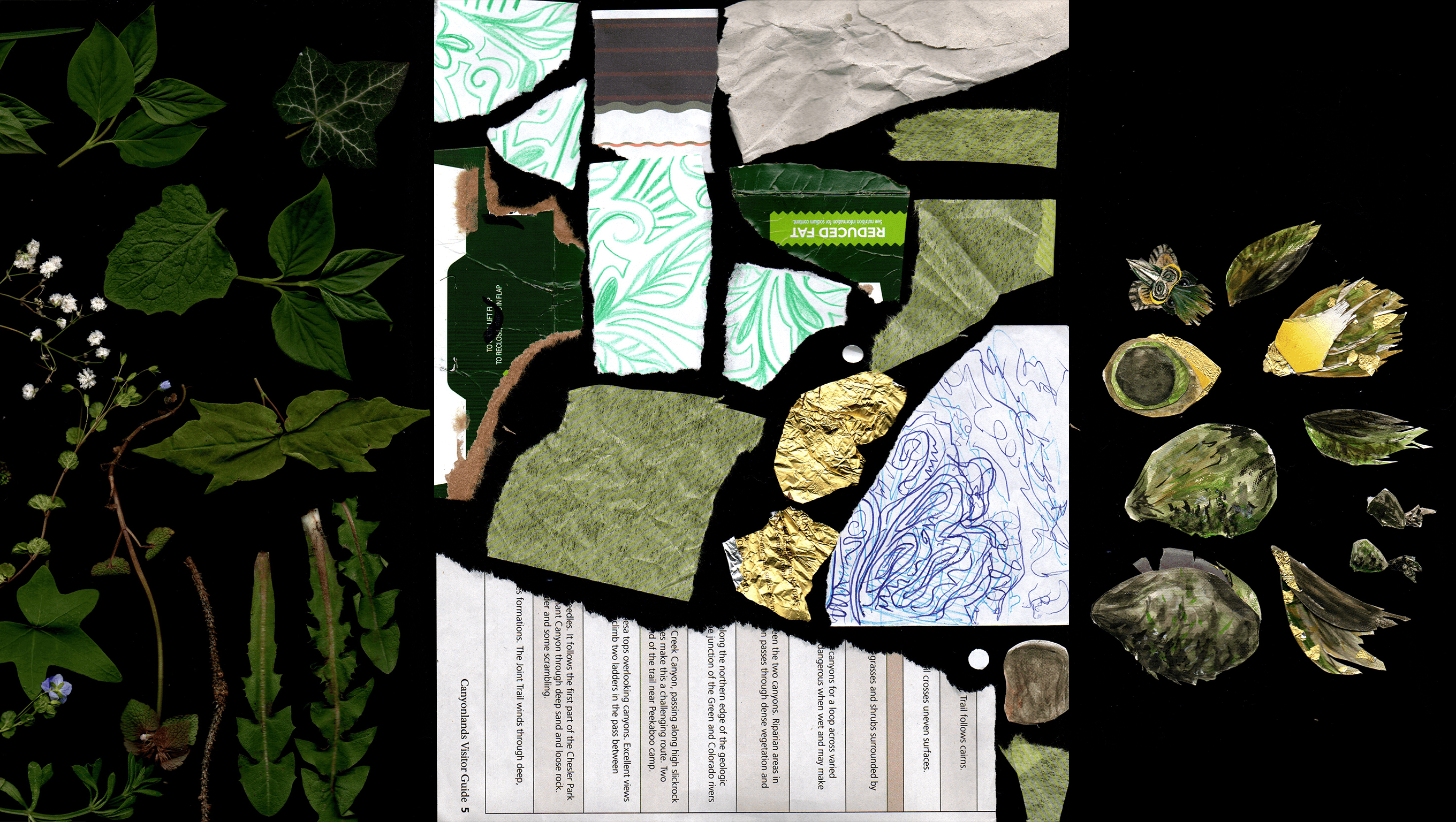
From there, I used my printer to scan in each individual piece, as well as additional assets such as trees I built, and plenty of leaves, sticks, and flowers from my backyard. I imported everything into photoshop and cut it all out, and of course, saved them for future digital assets. Once I had what was essentially a custom digital sticker pack, I got to work layering and building the scenes for each animal.

I was very selective in merging assets as I wanted to keep the animals, and parts of the environment, easily manipulatable as sort of puppets, so I can later put them into after effects and add simple movement.

From there, I used my printer to scan in each individual piece, as well as additional assets such as trees I built, and plenty of leaves, sticks, and flowers from my backyard. I imported everything into photoshop and cut it all out, and of course, saved them for future digital assets. Once I had what was essentially a custom digital sticker pack, I got to work layering and building the scenes for each animal.

I was very selective in merging assets as I wanted to keep the animals, and parts of the environment, easily manipulatable as sort of puppets, so I can later put them into after effects and add simple movement.

Opaque Framer Template by Aaron Rolston

Once the scenes were done, and so was my research, I compiled everything together into the booklet and laid out the posters, following the branding I had created for the campaign, which was also reminiscent of those vintage materials that originally inspired me.

Once the scenes were done, and so was my research, I compiled everything together into the booklet and laid out the posters, following the branding I had created for the campaign, which was also reminiscent of those vintage materials that originally inspired me.

What's Next

This is certainly the start of something much greater than a self-contained capstone project. Based on the structure of the campaign, I can easily add more species in the future, and release further editions of the booklet. Additionally, due to the workflow, I am able to apply the animal assets and research to further outputs. As mentioned, I would like to add some motion to the illustrations, and from there develop immersive applications using Augmented Reality. I am also working on using these materials to create social media content, and my new instagram account, @endangeredandoverlooked, will be exploring that in the near future.

If this project can help even one person to open their eyes to conservation efforts beyond the mainstream, I have done my job. It was truly special to combine so many passions in one project. I truly look forward to following this journey, wherever it goes.

This is certainly the start of something much greater than a self-contained capstone project. Based on the structure of the campaign, I can easily add more species in the future, and release further editions of the booklet. Additionally, due to the workflow, I am able to apply the animal assets and research to further outputs. As mentioned, I would like to add some motion to the illustrations, and from there develop immersive applications using Augmented Reality. I am also working on using these materials to create social media content, and my new instagram account, @endangeredandoverlooked, will be exploring that in the near future.

If this project can help even one person to open their eyes to conservation efforts beyond the mainstream, I have done my job. It was truly special to combine so many passions in one project. I truly look forward to following this journey, wherever it goes.

Samantha Mai Currier

Sam Mai Studio © 2025

Samantha Mai Currier

Sam Mai Studio © 2025